
Home Furniture Removals Battersea: 7 Things to Check Before Booking
Table of Contents
Planning a move and wondering how much home furniture removals Battersea services cost? The price depends on the furniture you need moved, the distance, access to your property and the help you require. Understanding these details before booking can help you avoid unexpected charges and protect your belongings.
Whether you are moving from a studio near Clapham Junction or a family home close to Battersea Park, comparing quotes carefully is the best way to find a service that suits your budget.
How Much Do Home Furniture Removals in Battersea Cost?
There is no single price for every move. A few large items may need only a van and a small team, while a fully furnished property may require more staff, extra time and a larger vehicle.
As a starting point, Checkatrade’s 2026 house removal cost guide puts a two-person team with a van at around £50–£80 per hour. These are general UK estimates, not a guaranteed Battersea quote.
For smaller furniture moves, an hourly service may be suitable. A larger move may be better priced as a fixed job, especially when the company can assess the furniture and access in advance.
Your final price will depend on the service agreed, so request a written quote before confirming your booking.

Seven Things to Check Before Booking
1. What Does the Quote Actually Include?
A low starting price can look attractive, but it may not cover everything you need. Check whether the quote includes the van, number of movers, loading, transport, unloading and the expected working time.
Ask about minimum booking periods, overtime charges, deposits and cancellation terms. The Competition and Markets Authority’s guidance on fair consumer contracts explains why service terms should be clear and transparent.
2. How Much Furniture Needs Moving?
The amount and size of furniture directly affect the time, vehicle space and labour required. Moving a sofa, bed and dining table is very different from relocating an entire flat.
Prepare an inventory covering wardrobes, beds, mattresses, desks, appliances and bulky items. Tell the company about anything particularly heavy or fragile, such as glass cabinets or large mirrors.
Accurate information helps movers recommend the right vehicle and team rather than making assumptions that could increase the cost on moving day.
3. Are Stairs, Lifts and Doorways a Problem?
Access can make a significant difference to the time needed for a move. Narrow staircases, small lifts, long corridors and restricted entrances may require additional handling or careful furniture dismantling.
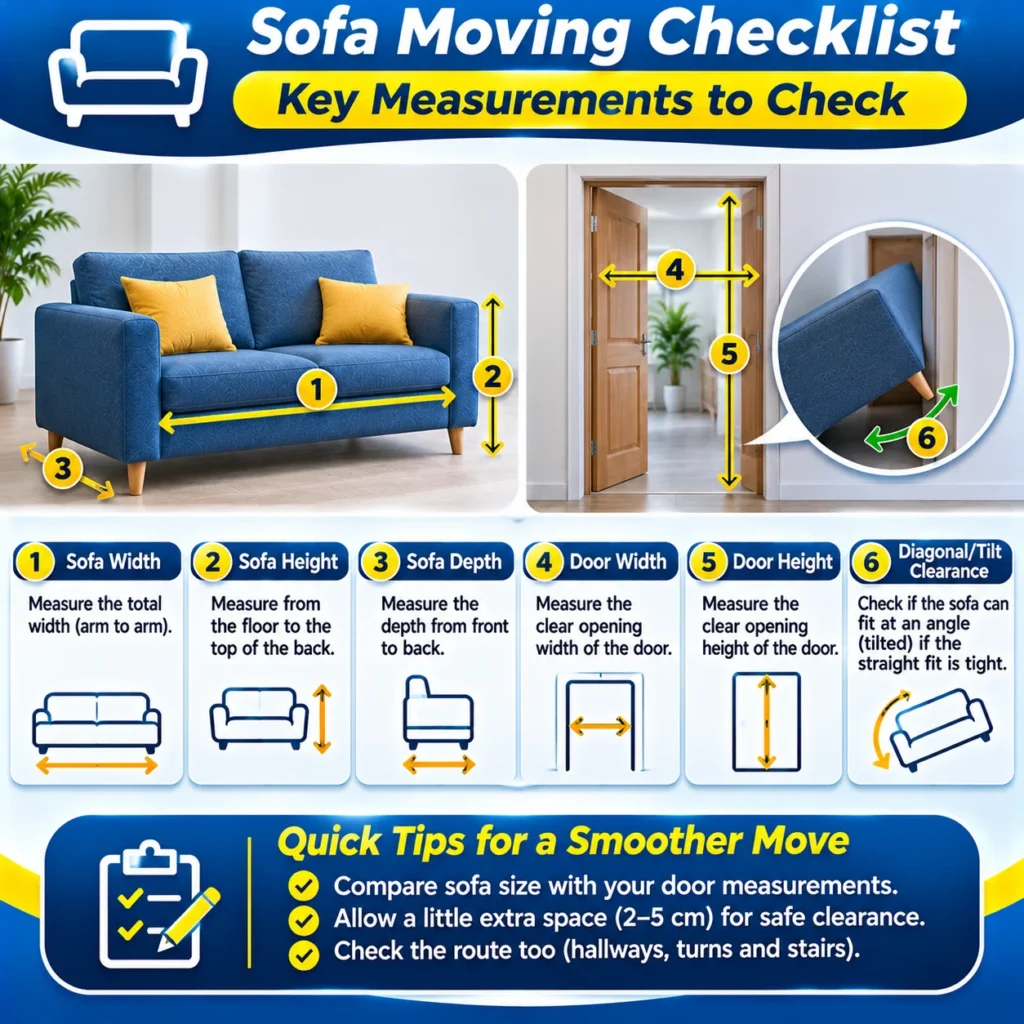
If you live in a flat, explain which floor you are on and whether the lift can accommodate large furniture. Measure doorways and stairwells where possible, especially for oversized sofas and wardrobes.
Photographs or a short video of difficult access points can help a removal company assess the job more accurately.
4. Have You Checked Battersea Parking Restrictions?
Parking is particularly important when arranging furniture removals in Battersea. Controlled parking zones, loading restrictions and limited kerbside space can affect where a removal van can stop.
Wandsworth Council’s Battersea parking information explains local parking controls. If you need a reserved parking bay, the council provides an application service for domestic removal suspensions. Its published guidance requires seven clear working days’ notice for a standard application, so plan ahead and verify the latest fees.
Confirm who will arrange any necessary suspension and whether the associated cost is included in your quote.
5. Is Your Furniture Properly Protected?
Furniture can suffer scratches, broken fittings and damage during lifting or transport if it is not handled correctly. Ask how the team protects sofas, wooden surfaces, glass panels and upholstered items.
Check whether blankets, wrapping materials and mattress covers are included. For furniture that needs dismantling, establish whether reassembly is part of the service.
You should also ask what insurance cover applies to your belongings and request the relevant terms in writing. Do not assume that every policy covers every item or type of damage.
6. Are There Extra Charges for Additional Services?
Packing, dismantling, reassembly, storage and moving unusually heavy items may cost extra. Weekend bookings, difficult access and changes to the original inventory can also affect the final bill, depending on the company’s terms.
Before agreeing, ask for an itemised quote that separates the core removal service from optional extras. Check how additional work is authorised and charged.
A slightly higher quote may offer better value if it includes the services you would otherwise pay for separately.
7. Have You Compared Companies on More Than Price?
When comparing home furniture moving companies in London, look beyond the cheapest headline figure. Consider customer reviews, communication, punctuality, written terms and experience with moves similar to yours.
Ask each company to quote against the same furniture list, addresses and access details. This makes it easier to compare like for like.
Sameday Removals Ltd offers removal services with online quote enquiries. You can request a free quote to discuss your moving requirements and establish what your particular job would cost.
How Can You Reduce Furniture Removal Costs?
Good preparation can help keep costs under control without putting your furniture at risk. Book early where possible, particularly if you need to move on a weekend or at the end of the month.
Pack smaller belongings yourself if you are comfortable doing so, label boxes clearly and dismantle straightforward furniture only when it is safe and appropriate. Keep essential screws and fittings together in labelled bags.
Donate or sell furniture you no longer need before requesting your final quote. Less volume may mean less loading time and fewer vehicle-space requirements.
Finally, confirm both addresses, access arrangements, the inventory and your preferred arrival time in writing. Clear communication helps prevent delays and last-minute changes.
Are you planning to move a few large furniture items or your entire home in Battersea? Share your moving date, furniture list and access details to help establish what your move may cost.
Looking for removal service in London?
0795-145-5002
Frequently Asked Questions
1. What furniture is hardest to move?
Large sofas, wardrobes, solid beds, glass cabinets and wide dining tables often create the biggest challenges. Their dimensions, weight distribution, fragility or awkward shapes can make stairs, doorways and tight corners difficult to navigate.
2. Should I dismantle furniture before moving house?
Dismantling can make some furniture safer and easier to handle, particularly wardrobes, bed frames and tables. However, only dismantle items where it is appropriate and keep all fittings labelled so they can be reassembled correctly.
3. How do I move a large sofa through a narrow doorway?
First measure both the sofa and the complete route through the property. Removing cushions, legs or detachable sections may help, but forcing a sofa through a restricted opening can damage both the furniture and the property.
4. Are wardrobes difficult to move?
Large wardrobes can be difficult because of their height, weight and rigidity. Freestanding models may be easier to move after suitable dismantling, while built-in wardrobes require more careful planning.
5. Can furniture damage walls during a house move?
Yes. Corners, stair rails, door frames and painted walls can be damaged when bulky furniture is turned or carried through restricted spaces. Measuring the route and protecting vulnerable areas can reduce this risk.
6. Is it safer to use two people to move heavy furniture?
Team handling can be appropriate for some furniture, but simply adding another person does not automatically make a lift safe. HSE recommends assessing lifting, carrying and team-handling risks and considering appropriate controls.
7. Can Merton Council collect unwanted furniture?
Yes. Merton Council currently offers one free bulky-waste collection per household each year for up to three items, subject to its rules and booking availability. Additional collections are chargeable.
8. Can I leave unwanted furniture outside for collection?
Furniture should only be placed out according to the collection instructions. Merton Council states that items should remain within the property’s boundary and be accessible to the collection crew rather than being left on a public pavement or road.
9. What should I check before booking furniture removals?
Check the furniture dimensions, floors, staircases, lifts, parking arrangements and whether any items require dismantling. Providing accurate information helps a removal company understand the equipment, vehicle and labour likely to be required.
10. What should I check if a private company removes unwanted furniture?
Check that the company is authorised to take household waste. The UK Government advises householders to verify the relevant waste carrier registration before handing household waste to a private business.