
8 Questions to Ask a Commercial Removal Company in Becontree Before You Hire One
Table of Contents
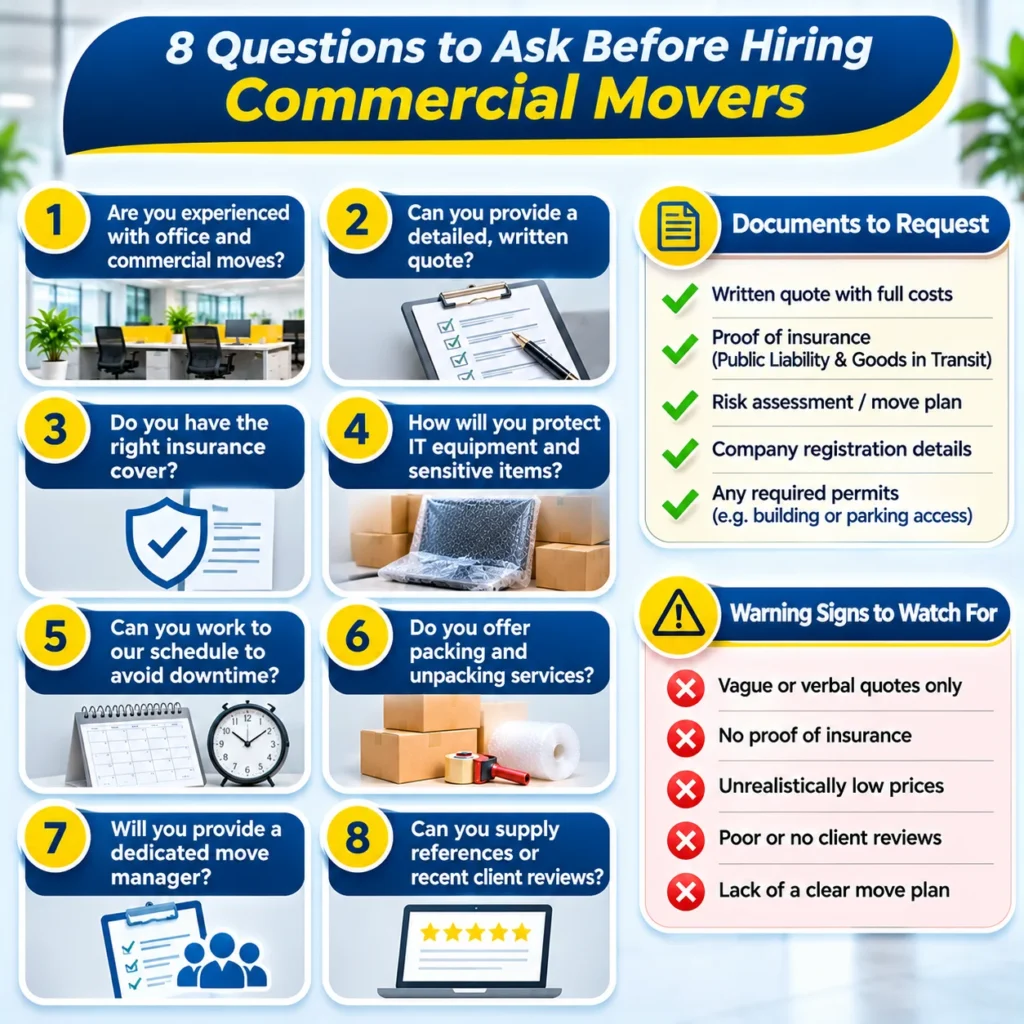
Choosing the right commercial removal company Becontree businesses can rely on is an important step when relocating an office, shop, salon or workspace. The wrong choice can lead to unexpected costs, damaged equipment and unnecessary downtime. Asking the right questions before booking helps you compare removal companies, protect your business assets and plan a smoother move.
1. What Experience Do You Have with Commercial Moves?
Commercial relocations require different planning from ordinary house moves. Offices may contain computers, filing cabinets and meeting-room furniture, while shops need stock, display units and equipment moved in an organised way.
Ask whether the company has handled moves similar to yours. Find out how it plans larger jobs, coordinates teams and manages items that require special care. Recent customer reviews and relevant examples can help you judge its reliability.
A suitable commercial removal company Becontree businesses choose should understand that moving a workplace is about more than transporting furniture. It is also about helping employees return to work with as little disruption as possible.

2. What Services Are Included in Your Quotation?
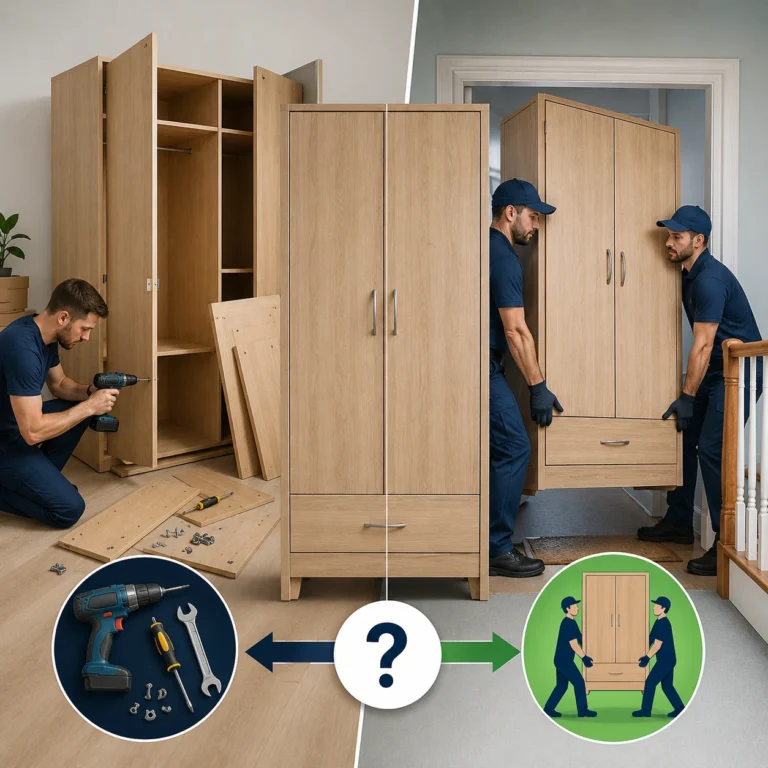
Never assume that every removal quote includes the same services. Some companies provide loading, transport and unloading, while others may offer packing materials, packing assistance, furniture dismantling, reassembly and storage at an additional cost.
Ask for a written quotation that explains what is included and excluded. Check whether the price depends on the number of movers, vehicle size, working hours, distance or the amount of furniture.
Also ask how extra costs are handled if the move takes longer than expected. A clear quotation makes it easier to compare commercial removals London providers fairly.
Practical tip: Give the company an accurate inventory, both addresses, floor details, lift availability and any access restrictions before accepting its quote.
3. Are You Insured for Commercial Removals?
Insurance is particularly important when your business equipment is expensive or essential to daily operations. Computers, printers, specialist tools and stock can be costly to replace if damaged during transport.
Ask what insurance the company holds and request written evidence. Check the policy limits, excess, exclusions and whether your particular goods are covered. Also ask whether protection applies during packing, loading, transit and unloading.
Do not assume that a company’s public claim of being insured means every item is automatically covered. Confirm the terms and consider whether your own business insurance provides additional protection.
4. How Will You Minimise Business Downtime?
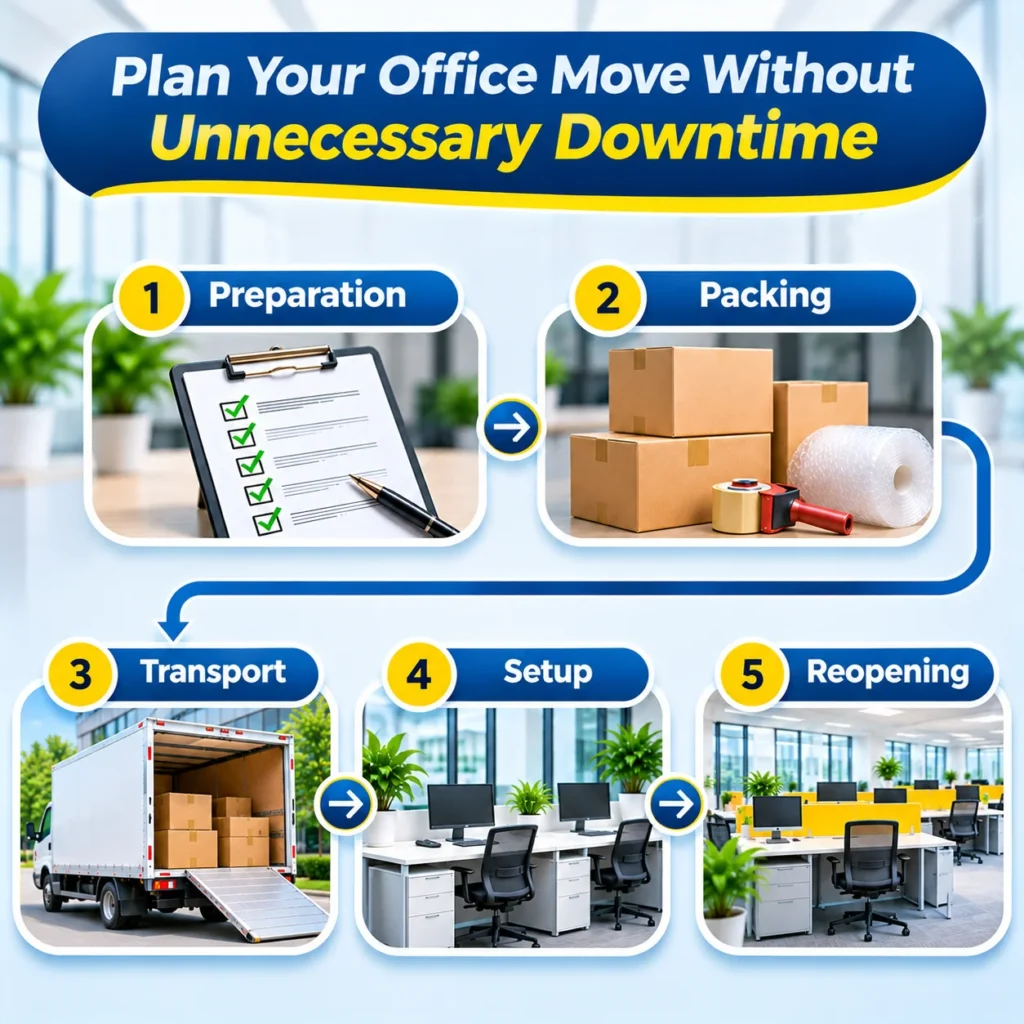
Every hour your business cannot operate may affect customers, employees and revenue. Before hiring a removal company, ask how it will organise the move around your working hours.
For example, a small office might move desks and general furniture on Friday evening, with computers and essential equipment transported according to an agreed IT plan. A retail business may need stock and display units moved outside opening hours.
Ask whether weekend or evening appointments are available, how many movers will attend and whether the work can be completed in planned stages.
The right commercial removal company Becontree businesses hire should discuss realistic timings rather than promise a completion time without understanding the job.
5. How Do You Protect Office Equipment and Confidential Documents?
Office equipment needs suitable packing and careful handling. Ask how computers, monitors, printers, fragile items and heavy furniture will be protected during loading and transport.
Before moving day, arrange for your IT team or service provider to back up data and prepare equipment for disconnection. Label cables and boxes clearly so staff can identify essential items quickly at the new premises.
Confidential files, contracts and sensitive paperwork also need careful handling. Ask how these will be packed, identified and transported. Keep highly sensitive materials under your own authorised staff’s control when appropriate.
The Health and Safety Executive provides guidance on manual handling at work, including avoiding hazardous handling where reasonably practicable and assessing and reducing unavoidable risks.
6. Can You Manage Access, Parking and Local Logistics?
Access arrangements can affect both the moving schedule and the final price. In Becontree, check parking availability, loading space, stairs, lifts, narrow entrances and any restrictions at the collection and destination addresses.
Ask who is responsible for arranging parking permissions, reserving loading areas and checking building access. If your premises are in a shared building, you may also need to coordinate with the landlord or property manager.
For moves involving London traffic, discuss the proposed departure time and allow room for delays. Businesses moving between locations should also confirm that the vehicle can access both sites safely.
A little preparation can prevent the team from arriving with the wrong vehicle or being unable to load efficiently.
7. What Is Your Availability and Expected Moving Timeline?
Ask how far in advance you should book and whether the company can accommodate your preferred date. Friday evenings, weekends and month-end dates may be particularly important to businesses working to lease deadlines.
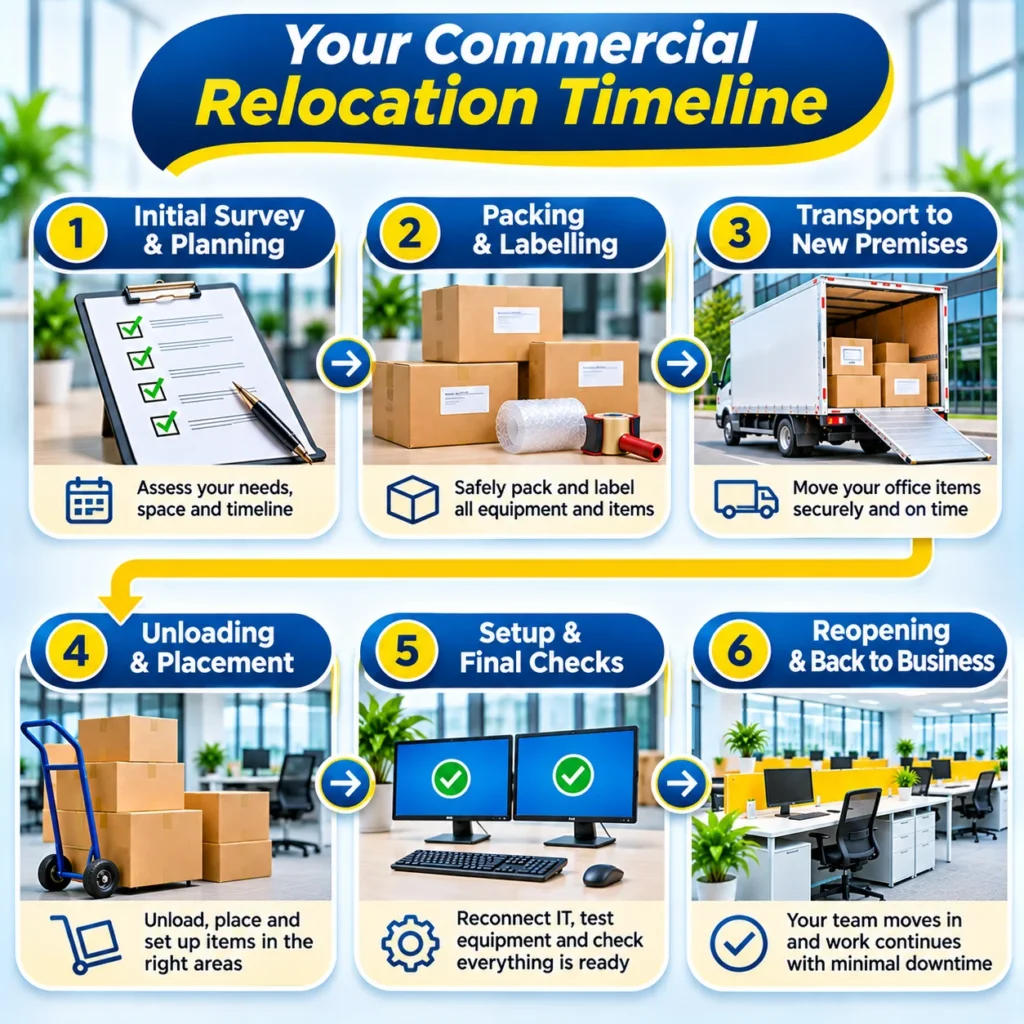
A proper schedule should cover packing, collection, travel, unloading and any agreed dismantling or reassembly. Ask who your main contact will be if the plan changes.
If you need a short-notice move, explain the deadline immediately. Same-day availability should always be confirmed rather than assumed.
Sameday Removals offers commercial removals and office moving services, with service information available to help businesses discuss their requirements and request a quotation.
8. What Happens If Something Goes Wrong?
Even a well-planned move can face unexpected problems, such as vehicle delays, damaged furniture or restricted access. Ask how the company handles complaints, reports damage and communicates changes to the schedule.
Find out whether there is a written complaints procedure and how quickly you should report an issue. Clarify the process for submitting an insurance claim and what evidence may be required.
It is also sensible to agree on an inventory before the move. Photographs of valuable equipment, existing damage records and a signed collection list can help resolve disagreements later.
A reliable removal provider should explain its responsibilities and limitations clearly before you sign an agreement.
Plan Your Becontree Business Move with Confidence
Choosing a removal company becomes easier when you know what to ask, what to check and which details to confirm in writing. Careful planning can help you control costs, protect equipment and reduce disruption to your customers and employees.
Are you planning an office, shop or workspace relocation in Becontree? Contact Sameday Removals to discuss your moving requirements and request a quotation for your business move.
Looking for removal service in London?
0795-145-5002
Frequently Asked Questions
1. How do I choose a commercial removal company in Becontree?
Compare relevant experience, written quotations, insurance terms, customer reviews and the services included. Choose a company that understands your business requirements and can explain its moving plan clearly.
2. How much do commercial removals in Becontree cost?
The cost depends on the volume of items, travel distance, number of movers, access conditions and additional services. Request a written quotation based on an accurate inventory rather than relying on a general estimate.
3. How far in advance should I book a commercial removal company?
Book as early as practical, particularly if you need a weekend or month-end move. The time required depends on the size and complexity of the relocation and the provider’s availability.
4. Can a removal company move an office outside normal working hours?
Some commercial removal companies offer evening and weekend appointments. Confirm availability, staffing, any additional charges and the agreed completion time before booking.
5. Does commercial removals insurance cover computers and office equipment?
Coverage depends on the policy, declared values, exclusions and handling conditions. Ask for written confirmation that your equipment is covered throughout the agreed moving process.
6. Can commercial removal companies dismantle and reassemble office furniture?
Some providers offer dismantling and reassembly, but it may not be included in the standard price. Confirm which items can be handled and whether specialist installation is required.
7. How can a business reduce downtime during relocation?
Prepare an inventory, label equipment, arrange IT disconnection and reconnection, and move non-essential items in advance where possible. Agree on a realistic schedule that allows staff to resume essential operations promptly.
8. Should I compare several commercial removal quotations?
Yes. Comparing at least two or three detailed quotations can help you understand the differences in price, service and insurance. Check what each quote includes before deciding.
9. What should I prepare before commercial movers arrive?
Organise an inventory, identify fragile and valuable items, back up business data and label boxes by department or destination room. Confirm parking, building access and responsibilities with the removal team.
10. Can commercial removal companies handle waste during an office move?
Some offer clearance services, but you should confirm the scope and any additional charges. Under UK waste duty-of-care rules, businesses must take reasonable steps to ensure commercial waste is transferred to authorised parties and managed responsibly.
1. Start Planning Before Moving Day