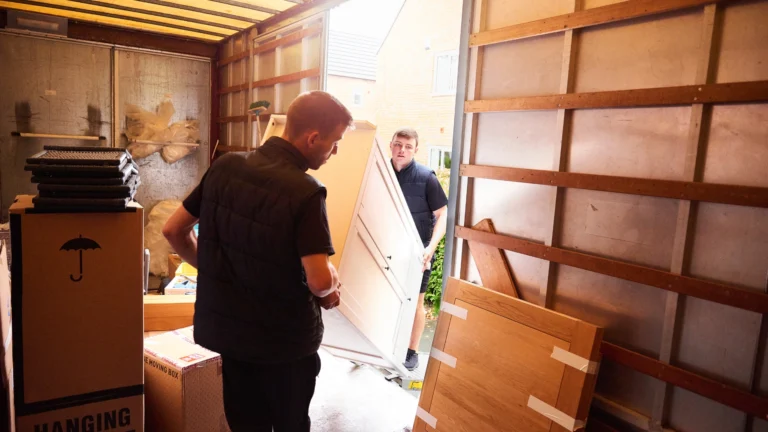

How to Reduce the Volume of Your Move and Lower Your London House Removal Quote
Moving house in London can be both exciting and stressful. Between packing, decluttering, and organizing logistics, one factor often gets overlooked — the volume of your belongings. The total size of what you move has a direct impact on your house removal quote in London.
Whether you’re relocating your home or business, understanding how to reduce the amount you move can lead to significant savings, smoother logistics, and a faster, more efficient move. Let’s explore how reducing your move volume can make a real difference and how to do it effectively.
Why Reducing Volume Lowers Your London House Removal Quote
When removal companies calculate your London house removals cost, they consider:
- The total volume (measured in cubic metres)
- The weight of items
- The time and labour required for loading and unloading
- Access conditions such as stairs, lifts, or narrow streets
- Travel distance and parking challenges
In London, where parking is limited and streets can be narrow, larger moves often mean more time, more manpower, and higher fuel costs. By simply moving less, you can use a smaller van, finish faster, and potentially save hundreds of pounds.
According to HomeOwners Alliance, average removal costs in the UK can reach over £1,000 for a three-bedroom home, depending on distance and volume. Even a 15–20% reduction in volume can reduce that quote by several hundred pounds.
Step-by-Step: How to Reduce the Volume of Your Move
Here are practical ways to shrink your moving load without losing anything important.
1. Declutter Before You Pack
Decluttering is the simplest and most effective way to cut down on moving costs. Every unnecessary box adds to your total quote.
Go room by room and decide what’s worth taking. Ask yourself:
- Do I use this regularly?
- Is it still in good condition?
- Could I replace it easily if needed?
Sell, donate, or recycle items that no longer serve you. Platforms like Facebook Marketplace, eBay, or Freecycle can help you sell or give away things quickly. According to Moving Home Advice, decluttering can reduce move volume by up to 30%.


2. Disassemble Large Furniture
Bulky furniture like beds, wardrobes, and dining tables take up a lot of van space. Disassembling them can reduce their cubic volume dramatically.
For example, a double bed takes roughly 1.5–2 cubic metres when assembled but less than half that when taken apart. Keep all screws and fittings in labelled bags, and photograph the process to make reassembly easier.

3. Digitize Paperwork and Media
Paperwork, books, and CDs can fill several heavy boxes — yet most of it can be stored digitally. Scan documents, save them in the cloud, and recycle the paper versions.
Businesses can reduce archive volumes by using offsite or digital storage. According to McKinsey’s digital operations research, digitalizing documents can cut physical storage needs by over 40% — a major help when moving offices in London.


4. Use Smart Packing Techniques
How you pack can make a big difference in how much space you use.
- Use boxes of similar sizes that stack neatly.
- Fill empty gaps with soft items like towels or linens.
- Pack heavier items in smaller boxes and lighter items in larger ones.
- Remove air from bags containing clothes or bedding using vacuum sealers.
Good packing doesn’t just save space — it also reduces the risk of damage and makes loading faster for your House Removals London team.
5. Sell or Donate Large Appliances
Big items such as washing machines, fridges, and old furniture add a lot of weight and bulk. If they’re nearing the end of their lifespan or don’t fit your new space, consider selling or donating them.
You can replace them later, often at a similar cost to transporting them. This strategy is especially useful for long-distance or multi-floor moves, where every kilogram adds to the effort and expense.


6. Separate Items for Storage or Later Transport
If you don’t need everything immediately, put non-essential items into temporary storage. Many moving services London companies also offer secure storage options for short or long periods.
This approach allows you to use a smaller van for your first move and bring the rest later, spreading the cost over time and keeping your quote manageable.
7. Dispose of Unwanted Items Responsibly
Dispose of unwanted goods before moving day. London has excellent recycling and donation options:
- The British Heart Foundation accepts furniture and electrical donations.
- Council recycling centres accept old appliances, furniture, and bulky waste.
- Charity shops welcome clothes, books, and small household items.
Responsible disposal saves money and reduces environmental impact — a win-win for you and the planet.

How Much Can You Actually Save?
The cost of London house removals varies based on your property size, but volume reduction consistently leads to savings. Here’s a simple example:
Move Type | Estimated Volume | Average Cost | Cost After 25% Volume Reduction |
1-bedroom flat | 15 m³ | £500–£700 | £375–£525 |
2-bedroom house | 25 m³ | £800–£1,200 | £600–£900 |
3-bedroom house | 35 m³ | £1,100–£1,600 | £825–£1,200 |
Source: HomeOwners Alliance, Compare My Move, and Move.org data (2024).
Even modest volume reductions can save between £200–£400, depending on the company and moving distance.
How to Get the Most Accurate Quote
Once you’ve reduced your volume, make sure you get a fair and transparent quote.
- Request a free pre-move survey — many London movers offer this via video call.
- Provide an accurate inventory list with dimensions if possible.
- Ask if your quote includes packing, insurance, and disassembly.
- Avoid rough “over-the-phone” estimates — these often lead to extra charges later.
An honest, clear inventory helps the movers send the right size van, enough staff, and the right equipment, avoiding surprise costs.
Extra Tip: Choose the Right Day and Time
London traffic is unpredictable, and removal quotes often depend on scheduling. Moving midweek or during off-peak hours can lower your quote by up to 15%, according to several London-based removals companies.
Avoid Fridays and month-end dates if possible — these are the busiest periods for movers and can increase prices due to higher demand.
Reducing the volume of your move isn’t just about saving money — it’s about efficiency, control, and peace of mind. When you take time to declutter, disassemble, and pack smartly, you’re setting yourself up for a smoother, faster, and cheaper relocation.
With housing and business costs already high in the capital, making small, strategic decisions like these can go a long way. Every cubic metre you cut down means a lighter load, a smaller van, and a lower house removal quote in London.
FAQs
1. How much can I reduce my moving costs by cutting down volume?
On average, reducing your total move volume by 20–30% can lower your removal quote by £200–£400, depending on the size and distance of your move.
2. Should I sell or move my old furniture?
If it’s inexpensive to replace or doesn’t fit your new home, selling or donating is often cheaper than transporting it — especially for large, heavy pieces.
3. How do removal companies calculate quotes?
They consider the total cubic metres of goods, travel distance, labour time, access challenges, and sometimes insurance coverage.
4. Can decluttering really make a difference?
Yes. Decluttering not only lowers cost but also reduces stress, packing time, and the likelihood of damage during the move.
5. Is it worth getting multiple quotes?
Absolutely. Comparing at least three moving services London providers ensures you get the best value and transparency.