
House Clearance London: What Should Stay, Donate or Go?
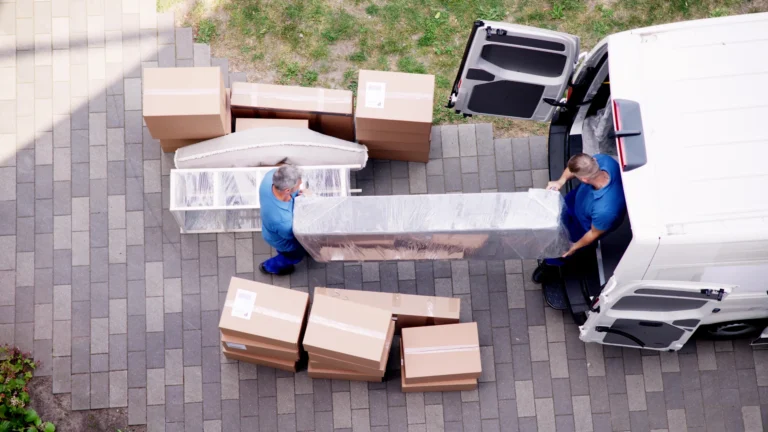
Moving home, downsizing or clearing a property can quickly become overwhelming when every room is filled with belongings collected over many years. One of the biggest challenges isn’t lifting furniture or packing boxes—it’s deciding what deserves a place in your new home and what no longer serves a purpose. If you’re planning a house clearance in London, making these decisions before moving can save time, reduce costs and make the entire relocation far less stressful.
According to the UK Government’s Department for Environment, Food & Rural Affairs (DEFRA), reducing waste through reuse and recycling plays a vital role in protecting natural resources while lowering landfill waste. Taking time to sort your belongings before a clearance not only benefits your move but can also help local charities and reduce environmental impact.
Why Sorting Before House Clearance Matters
Many homeowners underestimate how much unnecessary clutter accumulates over the years. Furniture, old electronics, unused kitchen appliances and forgotten clothing often occupy valuable space without providing any real value.
A well-planned house clearance London project helps you:
- Reduce moving costs by transporting fewer items.
- Make unpacking much quicker.
- Create a more organised new home.
- Support charities through donations.
- Reduce waste sent to landfill.
Research published by WRAP (Waste & Resources Action Programme) shows that extending the life of household goods significantly reduces carbon emissions because manufacturing replacement products consumes far more resources than reuse.
Start With One Room at a Time
Trying to clear an entire house in one day often creates unnecessary stress. Professional organisers usually recommend completing one room before moving to the next.
Start with areas containing fewer sentimental belongings, such as:
- Utility rooms
- Bathrooms
- Spare bedrooms
- Storage cupboards
These rooms allow you to build momentum before tackling more emotional spaces like family bedrooms or living rooms.
Create Three Simple Categories
The easiest way to make decisions is by creating three clear groups.
Items to Keep
Ask yourself:
- Have I used this during the last year?
- Will it fit my new property?
- Would replacing it cost more than moving it?
- Does it genuinely improve my daily life?
If the answer is yes, it belongs in the keep pile.
Examples include:
- Essential furniture
- Important documents
- Frequently used kitchen equipment
- Quality appliances
- Daily clothing
- Children’s necessities
Avoid keeping items simply because “they might be useful one day.”
Items Worth Donating
Many household items still have years of useful life remaining.
If they’re clean, working and in good condition, consider donating them instead of throwing them away.
Examples include:
- Sofas
- Dining tables
- Wardrobes
- Books
- Toys
- Small electrical appliances
- Kitchenware
- Bedding
- Clothing
Many London charities welcome reusable furniture and household goods, helping families in need while preventing unnecessary waste.
According to the Charity Retail Association, charity shops across the UK reuse millions of donated items every year, helping reduce landfill while raising funds for community services.

What Should Go?
Some belongings simply cost more to move than they’re worth.
These commonly include:
Broken Furniture
Furniture with structural damage often cannot be donated safely.
Examples include:
- Broken chairs
- Damaged wardrobes
- Collapsed beds
- Water-damaged cabinets
Outdated Electronics
Old televisions, computers and electrical appliances should never be placed in general household waste.
Instead, recycle them through approved recycling centres or licensed clearance companies.
Electrical waste is one of the fastest-growing waste streams worldwide, according to the Global E-waste Monitor, making responsible disposal increasingly important.
Expired Household Products
Check cupboards, garages and sheds for:
- Old paint
- Cleaning chemicals
- Expired medicines
- Garden pesticides
- Engine oils
These require specialist disposal methods and should never be poured into drains or placed in household bins.
The Emotional Challenge of Letting Go
One reason many house clearances take longer than expected is emotional attachment.
It’s completely normal to keep items because they remind you of special memories. However, memories live with people—not possessions.
When deciding whether to keep sentimental belongings, ask:
- Does this item still bring genuine happiness?
- Can I photograph it instead?
- Will another family member appreciate it more?
- Is it occupying valuable space without serving a purpose?
Many professional organisers recommend keeping only the most meaningful items while digitally preserving memories through photographs.
Large Furniture: Move or Replace?
Heavy furniture is one of the biggest contributors to moving costs.
Before deciding to transport large items, consider:
| Item | Keep | Donate | Remove |
|---|---|---|---|
| Solid wood furniture | ✔ | ✔ | |
| Broken sofa | ✔ | ||
| Flat-pack furniture with damage | ✔ | ||
| Antique furniture | ✔ | ||
| Good quality dining table | ✔ | ✔ | |
| Damaged mattress | ✔ |
Sometimes replacing inexpensive furniture after moving costs less than transporting bulky pieces across London.
This is particularly true for worn flat-pack furniture that has already been dismantled several times.
House Clearance Cost & Volume Estimator
Calculate your clearance volume, waste disposal splits, donation potential, and vehicle requirements.
Estimated Clearance Volume
Total combined volume before redistribution and disposal sorting.
Sustainability & Clearance Guidance
Don't Forget Important Documents and Valuables
Before any house clearance London project begins, set aside time to gather important paperwork and valuable possessions. These items are often overlooked during a busy move and can be difficult—or impossible—to replace.
Create a dedicated folder or storage box for documents such as:
- Passports
- Birth and marriage certificates
- Property deeds
- Insurance papers
- Bank records
- Wills
- Medical documents
Also check drawers, wardrobes and old storage boxes for jewellery, family heirlooms, cash, watches and small collectibles. Taking inventory before clearing the property helps prevent accidental loss.
Room-by-Room Clearance Strategy
Working through your property one room at a time makes the process easier and keeps decisions manageable.
Kitchen
The kitchen often contains duplicate items that are rarely used.
Keep everyday essentials, quality cookware and appliances that are still in good working order. Donate spare crockery, unused gadgets and duplicate utensils. Recycle broken electrical appliances through approved recycling facilities.
Living Room
Focus on furniture that fits your future home and lifestyle.
If a sofa, coffee table or TV unit is too large for your next property, selling or donating it may be more practical than paying to transport it.
Keep sentimental decorations to a minimum and display only those that genuinely add meaning to your home.
Bedrooms
Bedrooms often hide years of unused clothing and accessories.
A simple rule is to ask yourself whether you’ve worn or used the item within the past 12 months. If not, and it’s still in good condition, it may be better suited for donation.
The Waste and Resources Action Programme (WRAP) reports that extending the life of clothing through reuse reduces environmental impact while helping valuable textiles stay out of landfill.
Garage, Loft and Shed
These storage spaces usually contain the largest amount of forgotten belongings.
Look out for:
- Old bicycles
- Broken tools
- Paint tins
- Gardening equipment
- Sports gear
- Electrical cables
- DIY materials
Dispose of hazardous materials safely through your local council’s approved facilities rather than placing them in household bins.
What Can Be Recycled Instead of Thrown Away?
Not everything belongs in general waste. Many household items can be recycled responsibly.
| Household Item | Recycle | Donate | General Waste |
|---|---|---|---|
| Paper & cardboard | ✔ | ||
| Glass bottles | ✔ | ||
| Metal cookware | ✔ | ||
| Working furniture | ✔ | ||
| Clothing in good condition | ✔ | ||
| Broken electrical items | ✔ | ||
| Damaged mattresses | ✔* | ||
| Hazardous chemicals | Specialist Disposal |
*Always follow local council disposal guidance.
Choosing recycling wherever possible helps reduce landfill waste and supports the UK’s circular economy.
Common House Clearance Mistakes
Even well-planned projects can run into problems. Here are some of the most common mistakes people make during house clearance in London.
Leaving Everything Until the Last Minute
Trying to clear an entire property just before moving day often leads to rushed decisions and unnecessary stress.
Instead, begin sorting several weeks in advance. Even clearing one cupboard each day can make a significant difference.
Keeping Too Much "Just in Case"
Many people hold onto items because they believe they may need them someday.
If something hasn’t been used for years and has no sentimental or practical value, it’s probably time to let it go.
Forgetting Hidden Storage Areas
Check every location carefully, including:
- Loft spaces
- Under beds
- Garden sheds
- Built-in wardrobes
- Kitchen cabinets
- Garage shelving
Small forgotten items quickly add up and can delay a clearance.
Throwing Away Reusable Items
Many items that seem unwanted can still benefit someone else.
Furniture, books, toys and household goods in good condition may be accepted by charities, community organisations or reuse centres instead of being discarded.
When Professional House Clearance Makes Sense
Some clearances are straightforward, while others require more planning and manpower.
Professional assistance is often helpful when dealing with:
- Large family homes
- Probate clearances
- Downsizing after retirement
- End-of-tenancy clearances
- Time-sensitive property sales
- Heavy furniture
- Multiple floors without lift access
An experienced team can safely handle lifting, loading and responsible disposal while helping reduce the stress involved.
If you’re also moving home, combining house clearance in London with a flat clearance London service can simplify the entire process and reduce the number of separate appointments.
Make Your Next House Clearance Easier
A successful house clearance in London starts long before the removal van arrives. By carefully deciding what should stay, what could benefit someone else through donation and what needs responsible disposal, you’ll create a smoother move and a more organised new home.
Taking a thoughtful approach also helps reduce unnecessary waste, supports reuse within the community and saves valuable time during packing. Whether you’re clearing a family house, preparing for downsizing or arranging a flat clearance in London, making informed decisions today can make moving days far less stressful.
What has been the hardest item for you to part with during a house clearance? Share your experience or your best decluttering tip in the comments—we’d love to hear your story.
Frequently Asked Questions (FAQs)
1. What is included in a house clearance in London?
A typical house clearance London service includes removing unwanted furniture, household items, appliances, general rubbish, and bulky waste. Many providers also sort reusable items for donation, recycle suitable materials, and dispose of waste responsibly. Some companies also offer loft, garage, garden, and shed clearances.
2. How much does house clearance cost in London?
The cost of a house clearance London service depends on factors such as property size, the volume of items, accessibility, parking, and whether bulky furniture or hazardous waste needs special handling. Most companies provide a free quotation after assessing the property.
3. What items can be donated during a house clearance?
Many household items can be donated if they are clean and in good condition, including:
- Sofas and chairs
- Tables and wardrobes
- Kitchenware
- Clothing and shoes
- Books
- Toys
- Electrical appliances
- Home décor
Donating reusable items helps reduce landfill waste and supports local charities.
4. What should I throw away during a house clearance?
Items that are broken, unsafe, heavily damaged, or beyond repair should usually be removed. These may include damaged furniture, broken electrical appliances, worn mattresses, expired chemicals, old paint, and other household waste that cannot be reused or donated.
5. How long does a house clearance take?
Most house clearance London jobs can be completed within a few hours to a full day, depending on the property’s size and the amount of furniture and waste. Larger homes or probate clearances may take longer.
6. Can I stay in the property during the house clearance?
Yes. Many homeowners remain at the property while the clearance is carried out. Alternatively, you can arrange access beforehand if you are unable to attend. Discuss your preferred arrangement with the clearance company before the scheduled date.
7. What is the difference between house clearance and flat clearance?
Both services remove unwanted household items, but flat clearance London often involves additional considerations such as stairs, lifts, parking restrictions, and limited access. House clearances may also include garages, gardens, lofts, and outdoor storage areas.
8. Do house clearance companies recycle or donate unwanted items?
Yes. Responsible house clearance companies aim to recycle as much waste as possible and donate suitable furniture, clothing, books, and household goods whenever practical. This reduces landfill waste and supports a more sustainable approach to waste management.
9. How should I prepare before a house clearance?
Before your clearance appointment, separate important documents, valuables, sentimental belongings, and anything you wish to keep. If possible, identify items for donation and ensure clear access to larger furniture to help the clearance process run smoothly.
10. When should I hire a professional house clearance service?
Hiring professionals is often the best option when clearing large properties, preparing a home for sale, dealing with probate, downsizing, moving house, or removing bulky furniture. Professional teams can safely handle heavy lifting, responsible disposal, and efficient property clearance, saving you significant time and effort.